
CNC memory cards
Function of a PCMCIA Memory Card and Its Importance in CNC
PCMCIA cards began as laptop expansion cards, but many CNC controls still use the slot for program transfer and backups. Learn how they work, how to use them safely and which cards EKA CNC can supply.

A PCMCIA (Personal Computer Memory Card International Association) memory card is a type of removable expansion card standard that was widely used in laptops and other portable devices during the 1990s and early 2000s. It allowed users to expand the memory, storage, or functionality of their devices by inserting these cards into PCMCIA slots. PCMCIA cards could include memory cards, modems, network adapters, and more.
What a PCMCIA Memory Card Does
- Memory Expansion: PCMCIA memory cards were primarily used to expand the memory or storage capacity of laptops and other portable devices. This was useful in earlier laptops with limited internal memory, providing users with additional storage space for data, programs, or media.
- Removable Storage: Like modern flash drives or SD cards, PCMCIA memory cards served as removable storage devices, allowing users to transfer files between devices or back up important data. The cards could be easily swapped or replaced without opening the device.
- Peripheral Connectivity: Besides memory, PCMCIA cards were used to add peripheral devices such as modems, network adapters, and even external hard drives. This gave laptops access to internet connectivity or networking capabilities without built-in hardware, making it an essential tool for mobile computing at the time.
- Plug-and-Play Functionality: PCMCIA memory cards could be inserted or removed while the computer was on (hot-swapping), making them easy to use and highly versatile for various functions, such as data transfer, memory expansion, or connecting external devices.
- Support for Specialized Functions: In addition to general memory cards, PCMCIA cards were used to perform specialized functions in specific industries, such as in industrial control systems, telecommunications, and medical devices. They allowed for the easy addition of hardware or functionality in portable systems.
Why PCMCIA Cards Mattered
- Portable Storage and Expansion: During the early era of portable computing, PCMCIA memory cards provided a convenient way to increase the limited storage or memory of laptops. This was essential for users who needed more space for applications or data without relying on bulky external drives.
- Versatility in Adding Peripherals: The PCMCIA standard wasn’t just limited to memory. It allowed laptops to connect to modems, network adapters, and even external devices like CD-ROM drives. This versatility was particularly important before built-in wireless connectivity and Ethernet ports became standard in laptops.
- Compact and Lightweight Design: PCMCIA cards were designed to be slim and lightweight, fitting easily into laptops and portable devices. This was critical at a time when portability was a key focus of laptop design, and users needed compact solutions for memory and peripheral expansion.
- Hot-Swappable: PCMCIA cards could be inserted and removed without shutting down the device, which improved usability and made them a practical solution for mobile professionals. The ease of adding or replacing storage and peripherals made PCMCIA cards a key component in the early mobile computing environment.
- Industrial and Specialized Applications: PCMCIA memory cards were widely used in specialized fields, such as telecommunications, industrial control systems, and medical devices, where the ability to quickly and easily add memory or specialized hardware was essential. Their ruggedness and portability made them well-suited for use in challenging environments.
- Legacy and Transition: Although PCMCIA has largely been replaced by more modern standards like USB and PCI Express, its impact on the development of portable computing and peripheral connectivity was significant. It paved the way for later technologies by standardizing how laptops and portable devices could be expanded.
PCMCIA Cards on CNC Machines Today
Laptops dropped the PCMCIA (PC Card) slot long ago, but many CNC controls built in the late 1990s and 2000s still have one, including many Fanuc i-series controls. On these machines the card slot is used to:
- Load and save part programs.
- Back up and restore parameters, offsets, macros and PMC/ladder data.
- Run long programs directly from the card on controls that support it.
- Install software or option updates on some controls.
The usual card today is an industrial CompactFlash (CF) card in a PCMCIA adapter, or a PCMCIA ATA flash card. Ordinary consumer cards may not be recognised by older controls, especially at larger capacities, so cards known to work with the control are the safer choice. EKA CNC supplies CNC memory cards and adapters, including SanDisk and Transcend industrial CF cards.
Using a Memory Card Safely on a CNC Control
- Format correctly: most CNC controls read FAT-formatted cards. Some older controls need FAT16 and have a capacity limit, so check the control manual.
- Insert and remove at the right time: do not remove the card while the control is reading or writing, and follow the machine maker's guidance on inserting cards with power on.
- Keep a backup off the machine: copy the parameter and program backup to a PC as well. A card left in a dusty, oily cabinet can fail.
- Check the adapter: a worn or loose PCMCIA adapter is a common cause of card read errors.
- Label cards with the machine name and backup date.
Taking a full backup before any repair or battery change avoids lost parameters and long recovery times.
Frequently Asked Questions
Can I use any CompactFlash card in my CNC's PCMCIA slot?
Not always. Older CNC controls can be selective about card type, capacity and format. Industrial CF cards in a good-quality PCMCIA adapter are the usual choice. Check the capacity limit and file system in your control manual, and tell us your control model so we can suggest a suitable card.
What is stored on a CNC memory card backup?
Depending on the control, a backup can include part programs, CNC parameters, tool offsets, macro variables, pitch error compensation and PMC or ladder data. Some controls also allow a full memory image backup. Keep a copy on a PC, because losing parameters after a battery or board failure can stop a machine for days.
Why does my CNC not recognise the memory card?
Common causes are an unsupported capacity, the wrong file system format, a worn PCMCIA adapter, a card the control does not support, or a damaged slot. Try a known-good card and adapter first. If the slot itself is damaged, the control board may need repair.
Does EKA CNC supply CNC memory cards and adapters?
Yes. EKA CNC supplies CNC memory cards, including SanDisk and Transcend industrial CF cards, and PCMCIA adapters. See our CNC memory cards page, or send your control model through our quote form for price and availability.
Your next step
Need this part?
Send the part number or a photo of the nameplate. We reply with availability, compatible options and a quotation.
Related products
Parts and Products Mentioned in This Guide
Keep reading
More CNC and Automation Guides
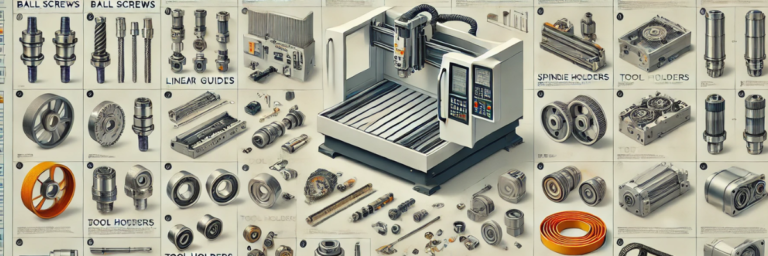
CNC Machine Spare Parts List: Key Components by System
Use this list to identify the mechanical, electrical, pneumatic, control and lubrication spares on a CNC machine. EKA CNC supplies new, reconditioned,…
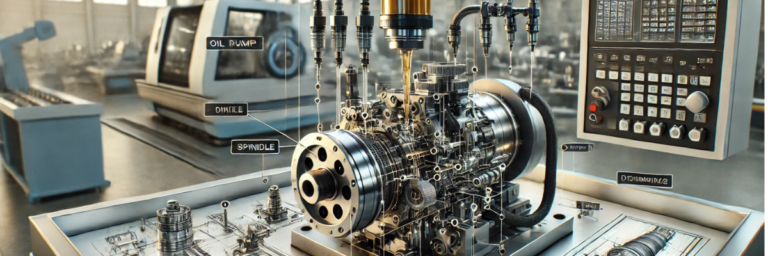
Function of a Lubrication Pump in a CNC Machine
A CNC lubrication pump feeds measured oil or grease to guideways, ball screws and bearings. This guide explains how it works, the warning signs of a f…
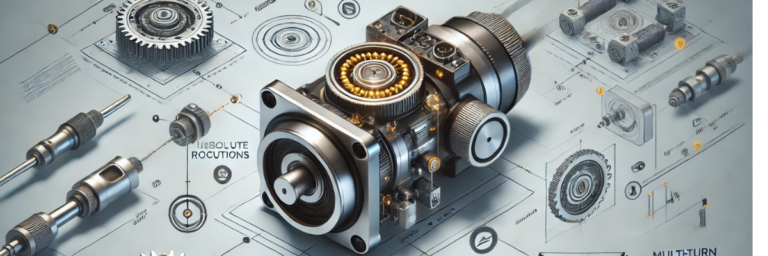
Function of a Multiturn Absolute Encoder and Its Importance
A multiturn absolute encoder reports a unique position across many shaft turns and keeps it through power loss. Learn how it works, how it compares wi…
From requirement to quotation
Have a part number or a machine down?
Send the model, nameplate photo or a short description. We check availability, compatible alternatives and lead time, then reply with a quotation.