
CNC spare parts
CNC Machine Spare Parts List: Key Components by System
Use this list to identify the mechanical, electrical, pneumatic, control and lubrication spares on a CNC machine. EKA CNC supplies new, reconditioned, surplus and exchange parts; send the part number for price and availability.

A CNC machine consists of numerous parts that work together to perform precise machining operations. Below is a general list of key spare parts commonly used in CNC machines:
1. Mechanical Components
- Ball Screws: Convert rotational motion into linear motion with high precision.
- Linear Guideways: Provide smooth linear motion for the machine’s axes.
- Bearings: Support rotating parts like spindles and ball screws.
- Couplings: Connect motors to ball screws or other machine elements.
- Tool Holders (e.g., BT, HSK, CAT): Hold cutting tools in place on the machine’s spindle.
- Collets: Grip the tool in the spindle or tool holder.
- Spindle Bearings: Ensure smooth rotation of the spindle.
2. Electrical Components
- Servo Motors: Drive the machine's axes with precise motion control.
- Stepper Motors: Move axes in fixed steps on smaller CNC machines such as routers and engravers.
- Spindle Motor: Powers the spindle, enabling the cutting tool to rotate.
- Encoders: Provide feedback on the position of moving parts.
- Limit Switches: Detect the limit of motion to prevent overtravel of machine axes.
- Proximity Sensors: Detect the position of machine parts or tools.
- Power Supply Units: Provide power to various machine components.
- Cables and Connectors: Connect various electrical components for power and signal transmission.
3. Hydraulic and Pneumatic Components
- Hydraulic Pumps: Supply pressure for chucks, tailstocks, clamping and other heavy movements in some CNC machines.
- Solenoid Valves: Control the flow of air or fluid in hydraulic or pneumatic systems.
- Pneumatic Cylinders: Provide movement for components such as tool changers.
4. Control System Components
- CNC Controller Unit: The brain of the CNC machine, controlling all operations and processing G-code.
- Control Panel: Where operators input commands and control the machine manually.
- Display Monitor: Shows machine parameters, operating status, and CNC program details.
- Keypads or Touchscreen Interfaces: For operator input to control the machine functions.
5. Cooling and Lubrication Components
- Coolant Pumps: Supply cutting fluid to the tool and workpiece for cooling.
- Lubrication Pumps: Deliver oil or grease to moving parts for smooth operation.
- Coolant Nozzles: Direct coolant flow to the cutting zone.
6. Tooling and Workholding Components
- Vices and Clamps: Hold the workpiece securely in place.
- Chucks: Mount on the lathe spindle to grip the workpiece; drill chucks also hold straight-shank tools.
- Fixture Plates: Custom plates designed to hold workpieces in place during machining.
- Tool Turrets (for lathes): Hold multiple tools and rotate them into position as needed.
7. Probes, Filters, Belts and Protection Devices
- Tool Probes: Measure tool length and diameter for precise tool positioning.
- Workpiece Probes: Measure the workpiece position and alignment on the machine table.
- Filters (Coolant and Air): Keep the coolant and machine's air systems clean.
- Fan Units: Cool down the machine components like the control unit or motors.
- Belts: Transmit power from the motors to other moving parts.
- Fuses and Circuit Breakers: Protect the machine’s electrical system from overloads.
Having these spare parts on hand can help minimize downtime and ensure the CNC machine operates efficiently and with precision.
Spares Worth Keeping in Stock
Keeping every spare on the shelf is not practical. Focus on parts that fail often, are cheap to hold, or would stop the machine for days if you had to wait for them:
- Consumables: fuses, filters, collets, belts, lamps and coolant nozzles.
- Sensors and switches: proximity sensors, limit switches and pressure switches, which are exposed to coolant and chips.
- Batteries: CNC memory and absolute encoder backup batteries, which should be changed on a schedule.
- Cooling fans for drives and the control cabinet, since a failed fan often leads to an overheat alarm.
- Long-lead items such as a spare servo amplifier or spindle encoder for machines that run critical jobs.
For obsolete control modules, it is worth identifying a source before the part fails. A reconditioned or exchange unit is often quicker to arrange than a new one.
How to Send a Spare Parts Enquiry
Most delays in buying CNC spares come from incomplete information. To get a fast and accurate quote from EKA CNC:
- Note the full part number from the nameplate or label, including any suffix or version code.
- Take a clear photo of the label and the part, including connectors.
- Give the machine make, model and CNC control.
- Say whether you need new, reconditioned, surplus or exchange, and the quantity.
- Describe the fault or alarm, if the part has failed, so we can check that the part is really the cause.
Send these details through the Request a Quote page or by phone or email. For obsolete parts, use the Find a Part service.
Frequently Asked Questions
Which CNC spare parts fail most often?
Parts exposed to coolant, chips, heat and movement fail most often. These include proximity sensors, limit switches, cables, cooling fans, fuses, backup batteries, collets, belts and lubrication system parts. Electronic modules such as servo amplifiers and power supplies fail less often, but they cause longer downtime, so it helps to identify a source early.
Can EKA CNC supply parts for older or obsolete CNC machines?
Often, yes. Along with new parts, EKA CNC supplies used, reconditioned, surplus and exchange spares, which is usually how obsolete parts are found. Send the exact part number and a photo through our Find a Part page and we will check availability.
What is an exchange spare part?
In an exchange arrangement, you receive a working unit and return your faulty unit of the same type. It is commonly used for modules such as drives, power supplies and control boards, and can be quicker than a repair. Terms depend on the part and the condition of the returned unit, so confirm them with us when you request a quote.
Do I need the part number, or is the machine model enough?
The part number is far more reliable. Machines of the same model can carry different motors, drives and sensors depending on the year and options fitted. Send the nameplate photo along with the machine model. If the label is missing, photos of the part, its connectors and its mounting help us identify it.
Are spare parts tested before dispatch?
EKA CNC states that parts are tested before dispatch. The type of test depends on the part, for example a power-on or function check for electronic modules. Ask what testing applies to your part when you request a quote, especially for used or reconditioned items.
Your next step
Need this part?
Send the part number or a photo of the nameplate. We reply with availability, compatible options and a quotation.
Related products
Parts and Products Mentioned in This Guide
Keep reading
More CNC and Automation Guides
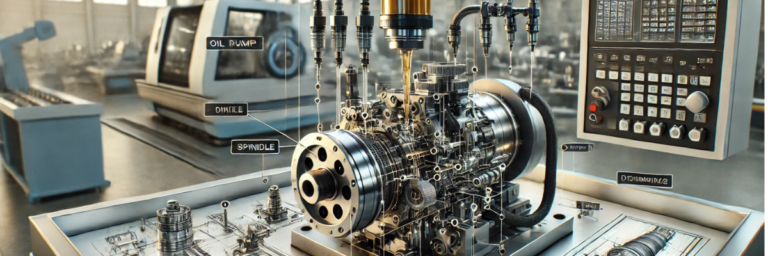
Function of a Lubrication Pump in a CNC Machine
A CNC lubrication pump feeds measured oil or grease to guideways, ball screws and bearings. This guide explains how it works, the warning signs of a f…
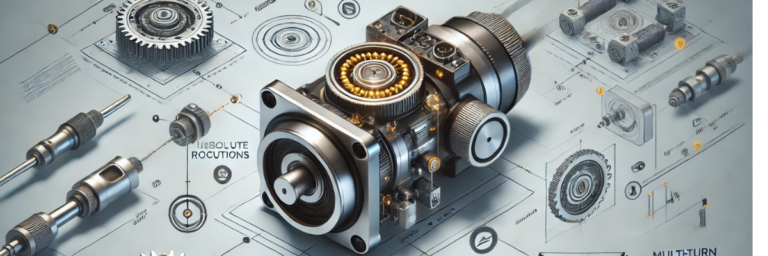
Function of a Multiturn Absolute Encoder and Its Importance
A multiturn absolute encoder reports a unique position across many shaft turns and keeps it through power loss. Learn how it works, how it compares wi…
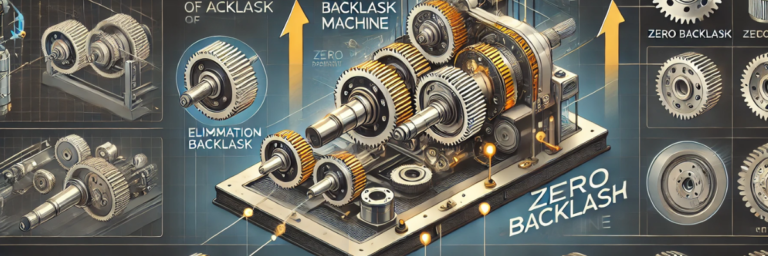
Function of a Zero Backlash Machine and Its Importance
Backlash is the lost motion when an axis reverses. This guide explains how zero-backlash ball screws, couplings and gearboxes keep CNC machines accura…
From requirement to quotation
Have a part number or a machine down?
Send the model, nameplate photo or a short description. We check availability, compatible alternatives and lead time, then reply with a quotation.