
CNC spare parts
CNC Machine Fuses for Siemens and Mitsubishi Controls
Find replacement fuses for CNC controllers, drives and control panels, including glass tube, ceramic and blade types used on Siemens and Mitsubishi machines. Send the markings on the old fuse and we will quote price and availability.
- Glass, ceramic and blade types
- Siemens and Mitsubishi controls
- Matched to original rating
- Pan-India shipping
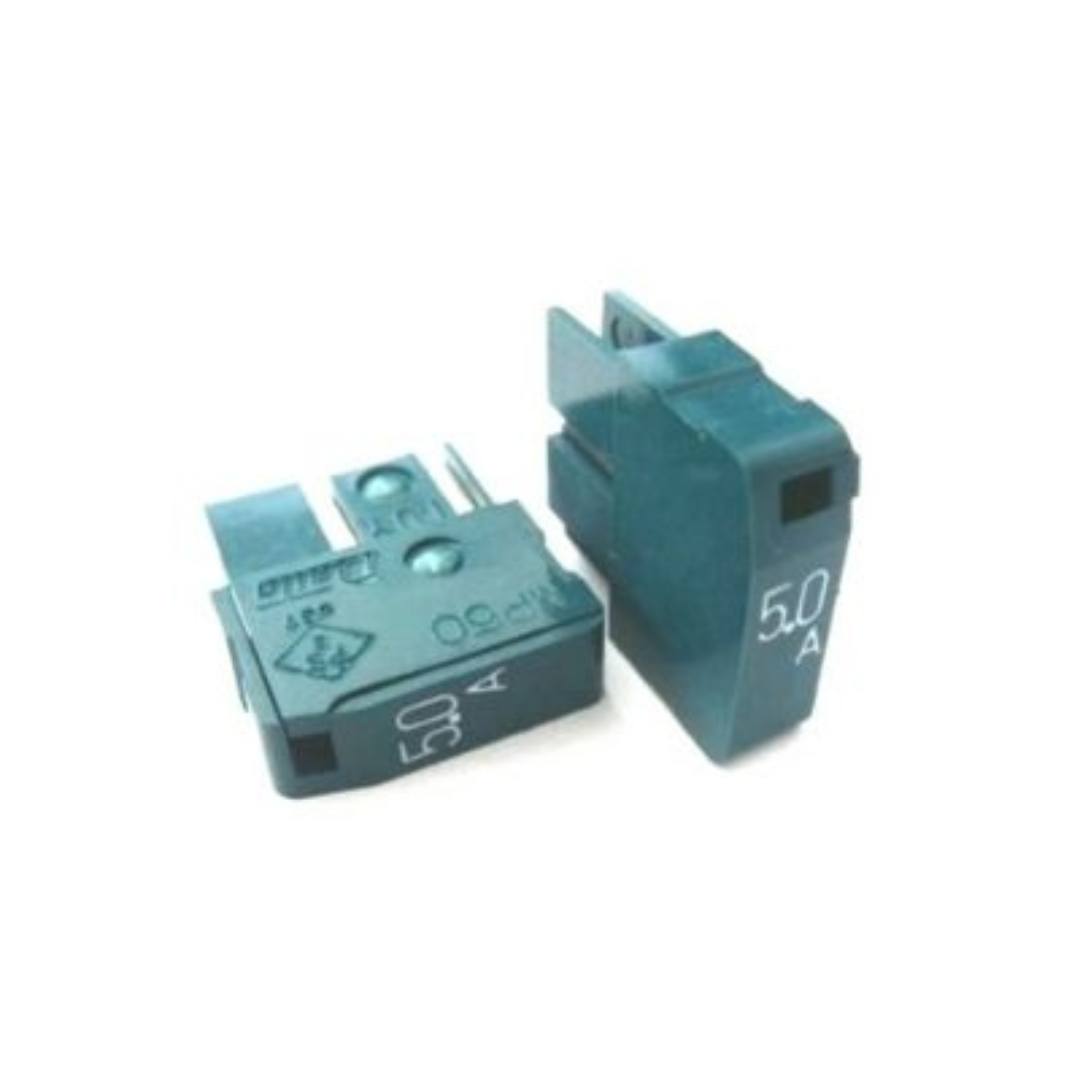
Replacement Fuses for CNC Controllers and Drives
Protection Against Overloads and Short Circuits
In CNC machining, protecting your equipment from electrical faults and potential damage is crucial. At EKA CNC, we offer a range of CNC fuses that safeguard your machinery and its electronics. Our CNC fuses provide essential protection against overloads and short circuits, helping to maintain the efficiency and longevity of your equipment.
We help you match each fuse to the protection needs of your CNC machine, so the right rating goes back into the circuit.
Our CNC machine fuses suit Siemens and Mitsubishi CNC controllers.
Fuse Types and What to Expect
- Dependable Protection: Our CNC fuses are built to deliver reliable performance in high-stress environments. Designed to handle the specific demands of CNC machines, they ensure your equipment remains protected against electrical issues.
- Correct Ratings: We supply fuses with the correct current rating, voltage rating and characteristic for each application, so they provide consistent and dependable protection.
- Variety of Options: We offer a diverse selection of CNC fuses to accommodate different types of machinery and operational needs, including: Glass Tube Fuses : Ideal for general-purpose applications with clear visibility of the fuse status. Ceramic Fuses : Ceramic-body fuses generally have a higher breaking capacity than glass types, so they suit circuits where fault currents can be high. Blade (Automotive-Type) Fuses : Used in some low-voltage DC control circuits and accessory panels.
- Easy Integration: Our fuses are designed for easy installation and replacement. A correctly matched fuse drops straight into the existing holder, keeping downtime to a minimum.
- Enhanced Safety: Protect your CNC machinery and ensure a safe working environment with our reliable fuses. They are designed to blow precisely when needed, preventing damage to sensitive components and reducing the risk of electrical fires.
Machines That Use These Fuses
EKA CNC fuses are suitable for a wide range of CNC applications, including:
- Milling Machines
- Lathes
- Laser Cutters
- 3D Printers
- Automated Production Systems
Your next step
Get price & availability
Share the model or part number and quantity. Attach a nameplate photo or BOM on the quote form if you have one.
Buyer guide
How to Read a Fuse and Choose a Replacement
A replacement fuse must match the original on every rating, not just the amps. Read the markings on the end cap or body, or the label beside the fuse holder:
| Marking | What it means |
|---|---|
| Current rating (A) | The current the fuse carries continuously. Never fit a higher value. |
| Voltage rating (V) | Must be equal to or higher than the circuit voltage. |
| Breaking capacity | The maximum fault current it can safely interrupt. Ceramic types usually rate higher than glass. |
| Characteristic (F, T, etc.) | Fast-acting fuses protect electronics; time-delay fuses tolerate motor and transformer inrush. |
| Size | Body dimensions such as 5 x 20 mm or 6.3 x 32 mm, so it fits the holder. |
Drive and power-supply modules may use special fast fuses. For these, quote the full part number printed on the fuse.
When a Fuse Keeps Blowing
A fuse that blows once may be a one-off surge. A fuse that blows again after replacement is telling you something is wrong downstream. Before fitting another one:
- Confirm the replacement has the same current rating and characteristic. A fast fuse fitted where a time-delay type is needed will blow at switch-on.
- Check for shorted wiring, damaged cables or coolant ingress in connectors and terminal boxes.
- Check loads on that circuit, such as solenoid valves, relays, fans and power supplies, for a short or overload.
- Measure the supply voltage for spikes or incorrect tapping on the control transformer.
Never fit a higher-rated fuse or bridge the holder to keep running. That removes protection and can damage drives or cause a fire.
Faster quotations
What to Include in Your Enquiry
Send what you have. If a detail is unknown, say so and we will help identify it from a photo or the machine documentation.
- All markings on the old fuse, or a clear photo
- Fuse body size and type (glass, ceramic, blade)
- Where it is fitted: controller, drive, panel or power supply
- Machine and CNC control make and model
- Quantity required
Buyer questions
Frequently Asked Questions
Can I replace a CNC fuse with one of a higher rating?
No. A higher-rated fuse may not blow during a fault, which can damage drives, power supplies or wiring and create a fire risk. Always fit a fuse with the same current rating, voltage rating, breaking capacity and characteristic as the original, and find the cause if it keeps blowing.
What is the difference between fast-acting and time-delay fuses?
A fast-acting fuse blows quickly on any overcurrent and is used to protect sensitive electronics. A time-delay (slow-blow) fuse tolerates short inrush currents, such as when motors, transformers or power supplies switch on. Fitting the wrong type causes either nuisance blowing or poor protection.
Do you supply fuses for Siemens and Mitsubishi CNC controls?
Yes. Our CNC machine fuses suit Siemens and Mitsubishi CNC controllers. Send the part number or the markings from the existing fuse, along with the control model, and we will confirm a matching fuse with price and availability.
Why do ceramic fuses cost more than glass fuses?
Ceramic-body fuses are usually built for a higher breaking capacity, meaning they can safely interrupt larger fault currents without shattering. They are used where the supply can deliver high fault current. Glass fuses suit lower-energy circuits and let you see whether the element has blown.
How can I tell if a fuse has blown?
On a glass fuse, the element may be visibly broken or the glass blackened. Ceramic fuses must be checked with a multimeter on continuity or resistance, with power off and the fuse removed. Some holders and drive modules have an indicator that shows a blown fuse.
My machine blows the same fuse every time I switch on. What should I check?
First confirm the replacement is the correct type, as a fast fuse fitted where a time-delay one is required blows on inrush. Then check for shorted wiring, faulty solenoids, relays or power supplies, and coolant in connectors. If the cause is not obvious, our repair team can help.
How do I get a quote for CNC fuses?
Send a clear photo of the fuse showing all markings, where it is fitted and the machine details through our quote form, by phone or by email. We will confirm the match, price and availability.
From requirement to quotation
Have a part number or a machine down?
Send the model, nameplate photo or a short description. We check availability, compatible alternatives and lead time, then reply with a quotation.